Dyspraxia is a common condition that affects movement, coordination, balance and fine motor skills, making some tasks and activities – for example, writing, using small objects, learning to drive, and playing some sports – very challenging.
Also known as Developmental Coordination Disorder (DCD), there is no known cure for dyspraxia, but specialist coaching and therapy can help to significantly mitigate the impact of its symptoms and allow people who have the condition to lead full and rewarding lives.
What is dyspraxia therapy and coaching?
Dyspraxia coaching helps to address the difficulties the condition creates in relation to self-care, movement, exercise, self-acceptance, self-image and the image we present to others.
Coaching and therapy for dyspraxia supports you in tackling the coordination, communication and planning issues needed to meet normal life milestones and works positively to change unhelpful self-perceptions around loss of dignity and competence that can negatively impact on relationships and personal efficacy.
Who is dyspraxia therapy and coaching for?
Dyspraxia coaching is for people aged 16 and over who are self-diagnosed or formally diagnosed with dyspraxia or DCD.
It’s important to stress that it is not necessary to have a formal diagnosis of dyspraxia in order to benefit from our coaching and therapy.
If you do have a formal diagnosis, then we may use that to help us focus our work, identify and reinforce the things you can do well in order to build the support and self-confidence to tackle the areas you may find more challenging.
People who are dyspraxic have a unique and highly personal relationship with the condition, meaning no two people experience their condition in the same way. This is because the individual nature of our skills, personalities and talents, like our individual DNA, are entirely unique.
In turn, this means the challenges someone with dyspraxia faces are also entirely unique. However, the opportunities for those with dyspraxia are often equal, and the barrier to taking advantage of them lies in self-perception.
Our dyspraxia therapy and coaching in London is ideally suited to those who want to understand their own personal and unique challenges, and learn how to work with and around them in order to be able to make good choices, positively develop their existing skills and talents – and learn new ones, and succeed in life at home, at play and at work.
How does dyspraxia therapy and coaching work?
Our coaching and therapy for dyspraxia supports you in identifying, communicating, and planning a new way forward that celebrates and recognises the uniquely personal strengths and challenges that coming from this part of the spectrum brings.
What are the benefits of dyspraxia therapy and coaching?
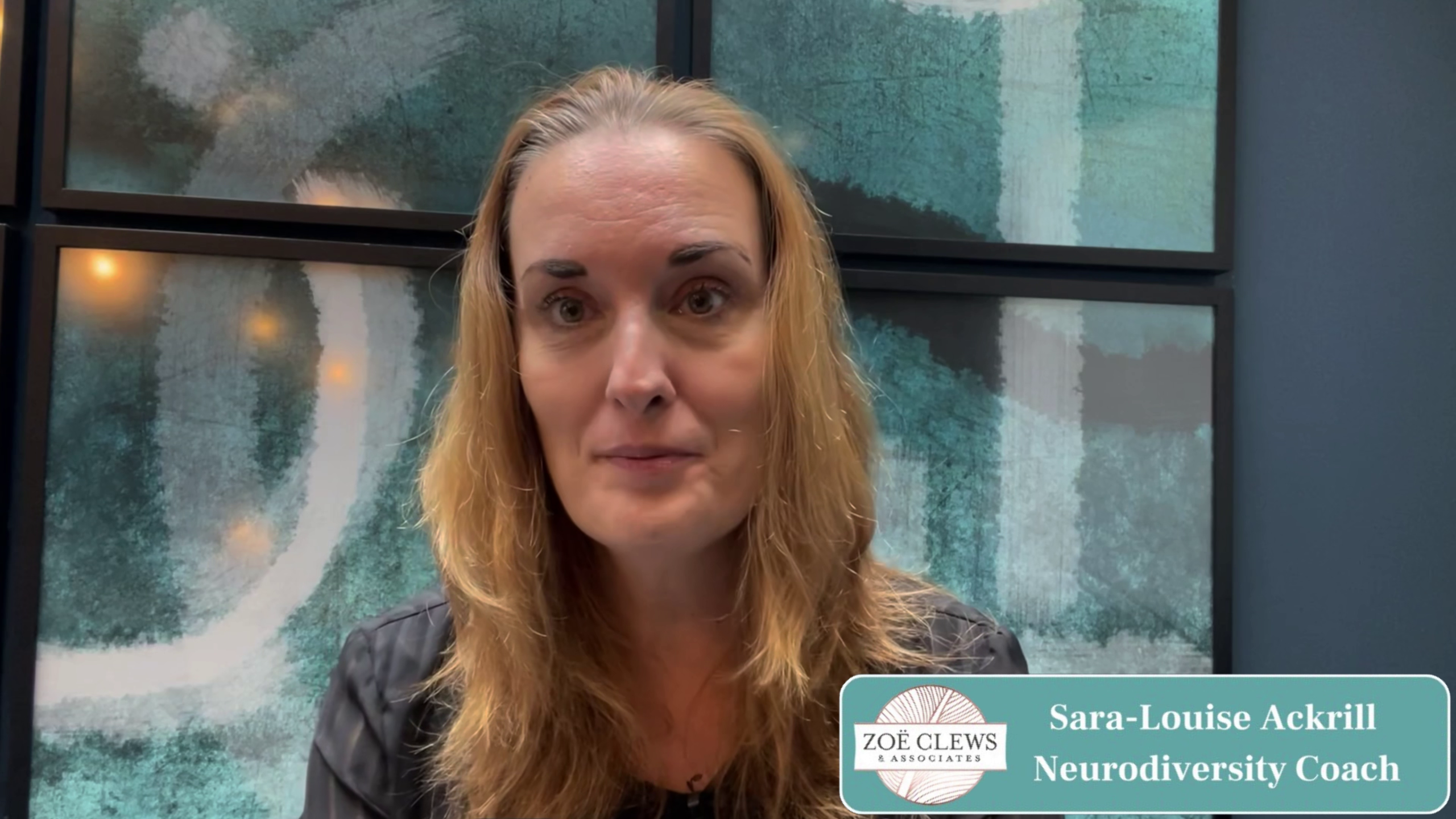
When you work with our London dyspraxia therapist and coach Sara-Louise Ackrill you’ll develop the skills and tools to achieve the greater level of self-knowledge, self-appreciation and understanding that leads to improved relationships with yourself and others.
You can book a consultation call or session with our dyspraxia coach Sara-Louise below. Alternatively, if you’d like to learn more about our therapy and coaching for dyspraxia and how it can benefit you, or someone you know, please get in touch for a confidential informal chat.
Dyspraxia coaching is a specialized service designed to support individuals with dyspraxia in developing practical strategies, skills, and coping mechanisms to manage the challenges associated with dyspraxia.
A dyspraxia coach works with individuals to identify specific difficulties caused by dyspraxia and helps them set and achieve personal goals related to daily living, education, work, and social interactions.
Common challenges can include difficulties with coordination, organization, planning, fine motor skills, balance, social interactions, and spatial awareness.
Yes, dyspraxia coaching can provide strategies to help individuals with dyspraxia participate in sports and physical activities that suit their abilities.
Yes, dyspraxia coaching can offer guidance and role-play to help individuals with dyspraxia navigate social interactions and build meaningful relationships.
Yes, dyspraxia coaching focuses on enhancing life skills, self-awareness, and overall functioning, contributing to an improved quality of life for individuals with dyspraxia.