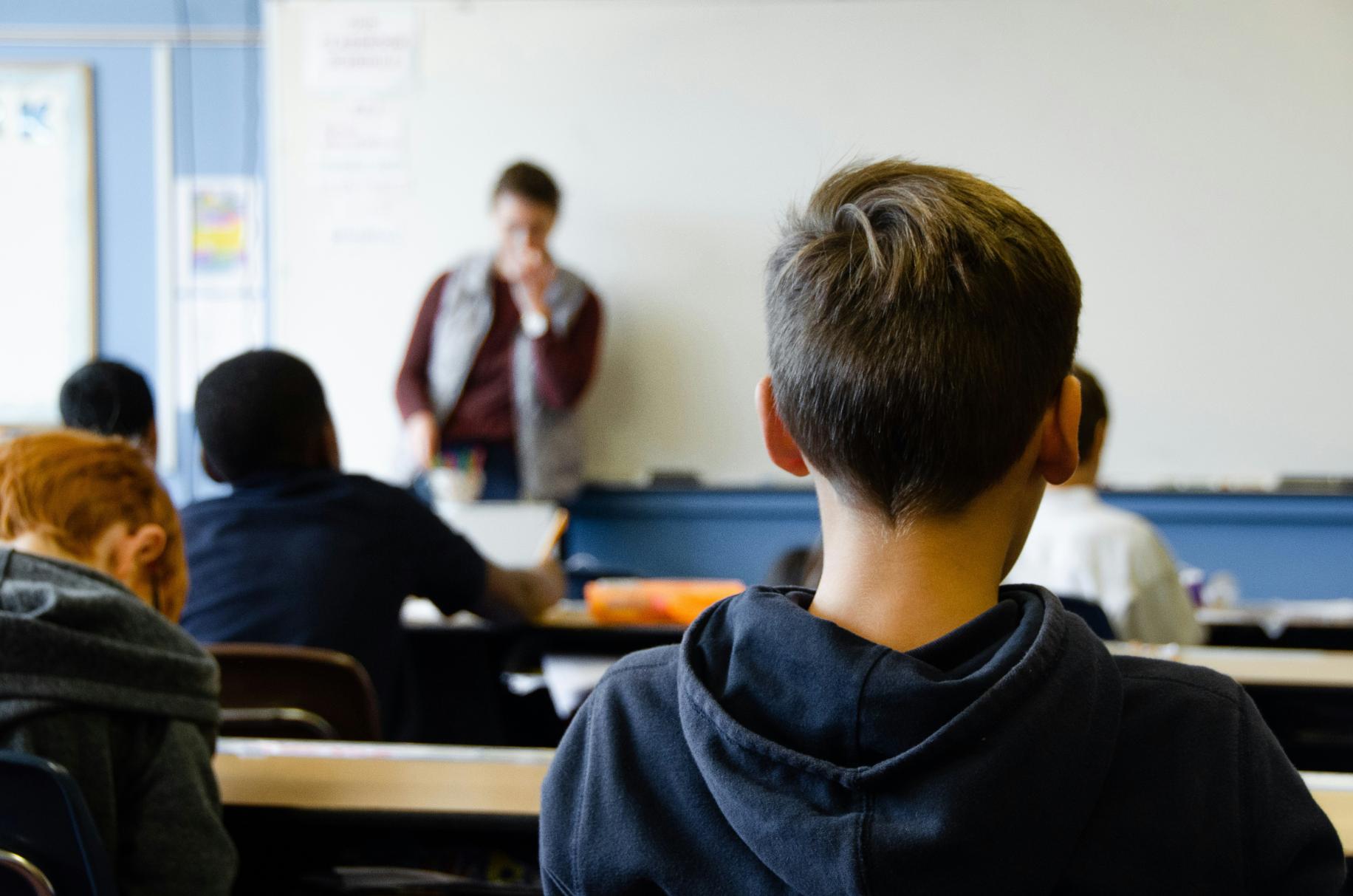
Does your child seem relaxed and happy during the school holidays, then become worried or unsettled as the first day of term gets closer?
Perhaps they have started saying they do not want to go back. Maybe they are struggling to sleep, complaining of tummy aches or becoming more emotional than usual. You may be wondering whether this is simply part of getting back into a routine or whether your child needs some extra support.
A little nervousness about returning to school is very common. Children may be thinking about new teachers, friendships, schoolwork or simply getting used to early mornings again.
The feelings often settle once they are back into their routine. Anxiety deserves closer attention when it continues, becomes more intense or starts affecting school attendance, sleep, friendships or everyday life.
As a Children’s Clinical Hypnotherapist with more than 20 years’ experience supporting children and teenagers, I have seen how differently anxiety can present from one child to another. Many of the children I work with are sensitive, bright and kind but are struggling with feelings they do not always know how to explain.
Why Does Going Back to School Cause Anxiety?
The transition from holiday to school can feel quite dramatic for a child.
During the holidays, routines are often relaxed. Bedtimes may be later, mornings less rushed and there may be much more time with parents and family.
Then suddenly there is a timetable, homework, uniforms, early starts and expectations.
For some children, the change in routine creates the anxiety. Others are worried about something specific at school.
They might be thinking about:
- A new teacher or classroom
- Friendship difficulties
- Bullying or feeling left out
- Getting work wrong
- Being away from their parents
- Moving to a new school
- PE, changing rooms or lunch times
- Exams or assessments
- What other children think of them
A child may know exactly what is worrying them, but children often find it difficult to put anxious feelings into words.
If your child simply says, “I don’t want to go,” try asking gently:
“What feels hardest about going back?” or “Is there anything you’re worried might happen?”
Give them time. You may learn more by listening than by trying to reassure them straight away.
What Does Back-to-School Anxiety Look Like?
Anxiety can appear in many different ways.
Some children become tearful or tell you that they are frightened. Others become irritable, withdrawn or unusually clingy.
Physical symptoms are common too. A child may genuinely feel sick or have a sore tummy when they are anxious.
You might notice:
- Tummy aches or headaches
- Feeling sick before school
- Difficulty falling asleep
- Waking during the night
- Crying or becoming distressed in the morning
- Becoming clingier
- Irritability or emotional outbursts
- Repeatedly asking what will happen
- Avoiding conversations about school
- Losing confidence
- Becoming reluctant to see friends
- Asking to stay at home
- Worrying excessively about making mistakes
One thing I often encourage parents to consider is what has changed.
Has your child always been nervous about school or is this new? Are they anxious every morning or mainly on particular days? Are they happy once they get home?
Those details can give you important clues about what your child is experiencing.
What Is Normal and When Should You Be Concerned?
A child can feel nervous about returning to school and still be coping well.
They might have butterflies in their tummy on the first morning, need some extra reassurance or be unsettled for a few days.
Often, once they are back into their routine and know what to expect, the anxiety begins to settle.
You may see tears at the school gate followed by a perfectly happy afternoon. Your child might tell you they were nervous in the morning and then come home talking enthusiastically about something that happened during the day.
I would become more concerned when anxiety continues, becomes stronger or starts interfering with normal life.
For example, your child may:
- Regularly refuse to attend school
- Become extremely distressed each morning
- Frequently complain of physical symptoms
- Stop enjoying activities they previously loved
- Become increasingly withdrawn
- Struggle significantly with sleep
- Experience panic or intense fear
- Become very distressed when separated from you
- Constantly worry about school
- Lose confidence in their ability to cope
If this is happening, it is worth finding out what is behind the anxiety rather than concentrating only on getting your child through the school gates.
Could Something at School Be Causing the Anxiety?
Sometimes returning to school creates the anxiety. At other times, school itself is where the difficulty lies.
Friendship problems can have a huge emotional impact. A child may be worrying about where they will sit, whether they will be included or whether another child is being unkind.
Academic pressure can also play a part. Some children become very worried about getting things wrong, disappointing their teacher or falling behind.
Teenagers can experience additional pressure around exams, friendships, social media, appearance and expectations about the future.
I have worked with children who initially appeared to be experiencing general anxiety, but once we started talking, there was a much more specific concern underneath it.
No two children are the same and no two sessions are either. I adapt my approach according to the child in front of me and how they are feeling that day. Sometimes the concern becomes clear quite quickly. Sometimes a child needs time to feel comfortable enough to talk about what is really bothering them.
That is why I always want to understand what is happening for the individual child.
Five Ways Parents Can Help With Back-to-School Anxiety
1. Start Talking Before the First Day
If your child is already worried, leaving everything until the night before can make the return to school feel much bigger.
Start talking about school gradually. Ask what they are looking forward to as well as what they are worried about.
You could ask: “What are you most looking forward to?” “Is there anything you’re unsure about?” “What would make the first day easier?”
You do not need to solve every problem there and then. Sometimes children simply need to know that you are listening.
2. Get Back Into the Routine
Holiday routines can be very different from school routines.
If your child’s bedtime has moved later, gradually bring it forward before term starts. Give them enough time in the morning so that they are not rushing out of the door.
Sleep matters too. When children are tired, worries can feel bigger and emotions can be harder to manage.
A predictable bedtime and calm morning routine can make the transition much easier.
3. Give Them Some Small Choices
Returning to school involves plenty of things children have little control over.
Small choices at home can give them a greater sense of independence.
They could choose their breakfast, organise their school bag or decide what they would like to do after school on the first day.
These small decisions can help a child feel more prepared for the change.
4. Listen Before Reassuring
When your child is upset, it is natural to say: “Don’t worry.” “You’ll be fine.” “Everything will be okay.”
Reassurance has its place, but I would first give your child the opportunity to tell you what is worrying them.
Try: “I can see that you’re worried. Tell me what’s on your mind.”
You may discover that the problem is much more specific than you expected.
5. Help Them Practise Calming Their Body
Children can learn simple techniques that help them manage the physical side of anxiety.
Slow breathing, grounding, visualisation and relaxation can all be useful. I often teach children practical techniques they can use at home, before school or when they feel anxiety beginning to build.
This is one area where hypnotherapy supports children calm in a gentle and age-appropriate way. Children are naturally imaginative, so stories, imagery and guided relaxation can often feel very accessible.
Back-to-School Anxiety in Teenagers
Anxiety can look quite different in teenagers. Rather than tears or asking to stay at home, they may become quieter, more irritable or withdrawn, and sometimes reluctant to explain what’s bothering them. Academic pressure, exams, friendships, social media and worrying about what other people think can all play a part.
The same principle still applies: gentle curiosity often works better than pushing for answers. Practical tools that help younger children manage anxiety can also be adapted very effectively for teenagers.
When Can Hypnotherapy Help?
Parents sometimes contact me after trying reassurance and practical strategies but finding that their child is still struggling.
Sometimes an anxious response can become a learned pattern. A child may understand logically that they are safe, but their mind and body have become used to responding as though there is something to worry about. This is where hypnotherapy for children can be particularly helpful.
Hypnotherapy can support children experiencing anxiety around school, separation, confidence, sleep, fears and other emotional difficulties.
Children’s hypnotherapy is adapted to the individual child. Sessions may involve stories, imagination, relaxation, visualisation and mental rehearsal, depending on their age and what they are experiencing.
I want children to feel comfortable with the process and understand what we are doing.
The work is about helping them develop practical ways to manage difficult feelings and become more confident in their ability to cope.
What If Your Child’s Anxiety Is Affecting Sleep?
School worries can easily spill into bedtime.
A child may lie awake thinking about the next day, worrying about something that happened at school or feeling nervous about being away from home.
Parents sometimes look for ways to help their child sleep independently or help their child sleep alone when separation worries are involved.
If sleep has suddenly become difficult, I would encourage you to explore what is behind it.
Ask your child what they are thinking about when they cannot settle. Sometimes the answer can tell you a great deal about the anxiety they are carrying during the day.
Helping Children Build Resilience
As parents, we naturally want to protect our children from things that might upset them.
Children also need opportunities to discover that they can manage challenges. This is an important part of raising resilient children.
Resilience grows through experience. A child tries something difficult, feels nervous, gets through it and gradually begins to trust themselves a little more.
You can encourage this by allowing your child to have a go before stepping in, praising effort rather than perfection and helping them put words to difficult emotions.
There will also be times when a child needs more support. Recognising that early can be an important part of helping them develop confidence.
When Should You Seek Professional Help?
If your child’s anxiety is persistent, becoming stronger or affecting school attendance, sleep, friendships or family life, I would encourage you to seek some additional advice.
Talk to your child and, where appropriate, their school. If they have ongoing physical symptoms, speak to your GP or another qualified healthcare professional so that any medical causes can be considered.
If anxiety appears to be the main difficulty, therapeutic support can provide another layer of help.
You do not have to wait until your child’s anxiety becomes overwhelming before asking for help.
Final Thoughts
Some nerves about returning to school are perfectly normal. A new term brings changes, expectations and sometimes worries about friendships, teachers or schoolwork.
For many children, these feelings settle once they are back into their routine.
If your child’s anxiety continues, becomes more intense or starts affecting school, sleep, friendships, confidence or family life, it deserves some attention.
Your child may not always be able to explain what is wrong. Their behaviour can give you an important clue.
With appropriate support, children can learn ways to manage anxiety, understand their emotions and feel more confident when facing situations that once felt overwhelming.
How I Can Help
As a Children’s Clinical Hypnotherapist working in London, I support children and teenagers with anxiety, confidence, fears and phobias, sleep and other emotional difficulties. I also work with families further afield through personalised hypnotherapy recordings, so support isn’t limited to families based in London.
If your child is struggling with the return to school, you are very welcome to arrange a free confidential consultation with me here so we can talk through what’s happening and whether hypnotherapy might be an appropriate next step.
