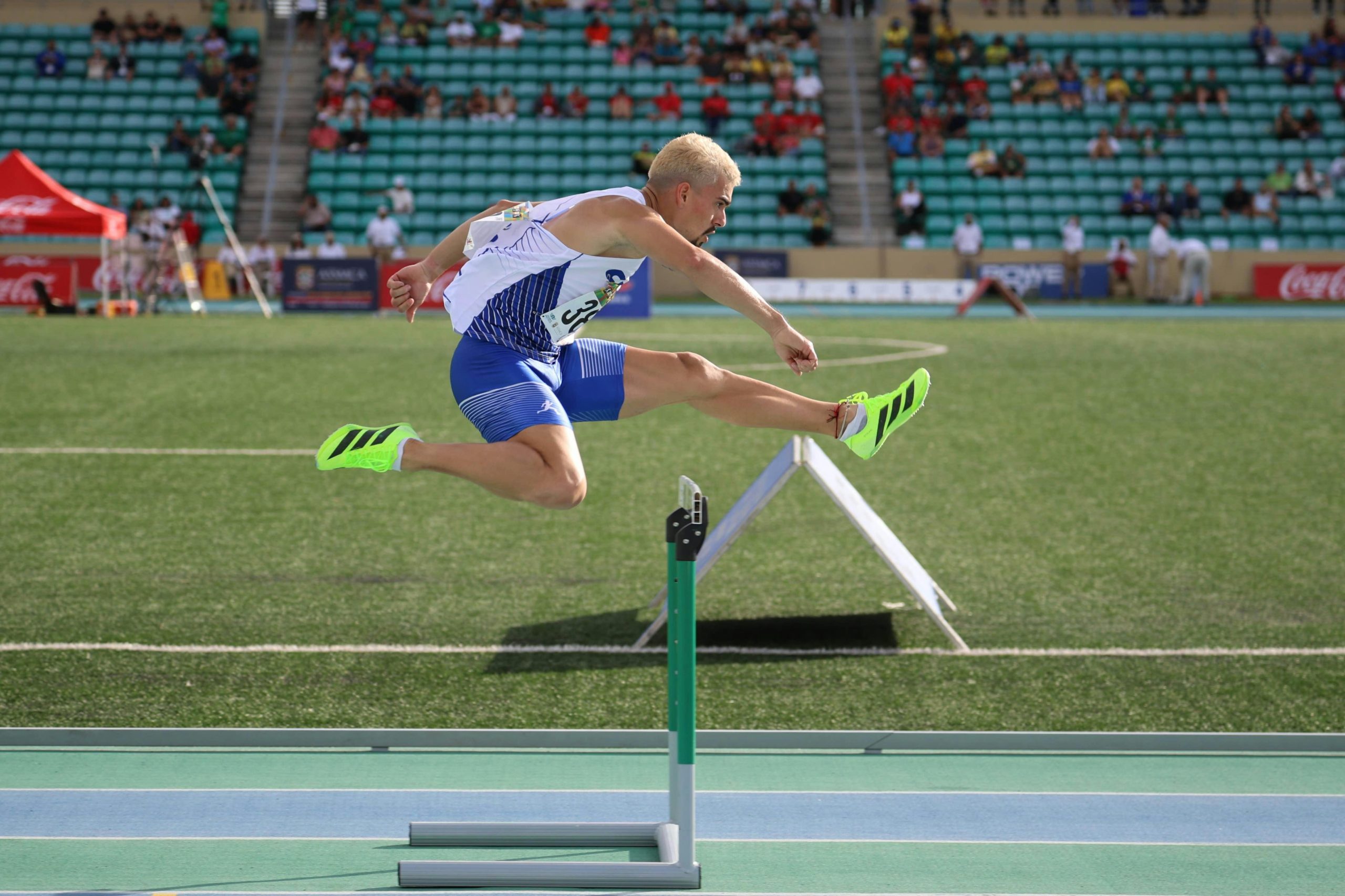
Many of us know what it feels like to be capable, prepared, experienced and confident in our abilities. Yet despite strong credentials and clear evidence of competence, a subtle undercurrent of self doubt can still emerge at key moments, just before an important meeting, presentation, performance or competition.
At times, it can feel as though we are working against ourselves. Rationally, we know we have the skills and experience to perform well, yet another part of us hesitates, questions or searches for certainty before taking action. As a result, confidence can feel elusive, and the more we try to create it, the more strained our performance can become.
This is where Clinical Hypnotherapy and Performance Focused Hypnosis can be particularly effective. Rather than trying to manufacture confidence, hypnotherapy helps people reconnect with the strengths and abilities they already have. By reducing tension, quietening excessive self monitoring, and addressing unhelpful patterns of thinking, it can allow confidence and performance to emerge more naturally.
Most people who seek performance support, sports psychology or sports performance hypnosis already possess the skills and ability they need. The challenge is often managing the internal barriers, doubts and pressures that interfere with performing at their best.
When the interference subsides, performance often feels more fluid, natural and consistent. Confidence becomes less about forcing a particular state and more about allowing existing abilities to be expressed fully when they matter most.
Understanding the Issue
Our performance is rarely determined by skill alone.
Our nervous system is constantly assessing levels of safety, uncertainty, social evaluation and potential failure. As a result, even highly capable and experienced individuals can find themselves slipping into excessive self monitoring when the stakes feel high. We may begin anticipating mistakes before they happen, analysing every action too closely or unconsciously bracing for criticism, embarrassment or disappointment.
Over time, this can create a disconnect between instinctive ability and conscious control.
Athletes often describe it as ‘thinking too much.’
In many cases, the problem is not a lack of competence. The problem is how our nervous system responds in high pressure settings.
When the nervous system perceives pressure, the body’s stress response can become more dominant. Thoughts about potential mistakes and negative outcomes begin to compete with the task at hand. As a result, breathing becomes shallower and the body tightens. Instead of trusting our skills, we become preoccupied with the possibility of failure. The result is often a performance that feels more effortful, less fluid and less representative of what we are truly capable of.
Timing becomes less natural. We may overcorrect, second guess ourselves or try to consciously manage processes that normally function best automatically.
It is similar to trying to control every movement involved in walking down the stairs. The more we interfere with these automatic responses, the less fluid and coordinated they tend to become.
This is one reason why hypnosis for sports performance has become increasingly on demand across professional sport, leadership and creative industries. Rather than focusing on ‘motivating’ performance, these approaches often aim to restore trust in existing capability and allow automatic skills to function more freely.
In many cases, we already perform at our best when we feel psychologically safe enough to stop forcing outcomes.
Why the Usual Approaches Fall Short
Most traditional approaches focus heavily on conscious effort. We are encouraged to think positively, repeat affirmations, visualise success or simply ‘believe in ourselves.’ While these tools can be helpful, they do not always address the deeper emotional and physiological patterns that underlie performance anxiety and self doubt.
If the nervous system still associates high pressure situations with threat, conscious reassurance alone may only provide a temporary relief.
This is why many people experience familiar patterns, such as:
- Performing well on some days and struggling on others
- Over preparing due to fear of making mistakes
- Losing spontaneity during important moments
- Becoming caught in internal self doubt during performance
In some cases, willpower based approaches can unintentionally increase pressure, because attention becomes focused on whether we are ‘doing confidence correctly.’
Confidence itself is often misunderstood. Genuine confidence does not feel forced. It tends to feel calm, steady and natural. Instead of constantly thinking about ourselves or how we are performing, our attention stays with what we are doing in the moment.
This is one reason why hypnosis for sports performance and mental performance hypnotherapy have become increasingly common across professional sport, leadership and creative industries. Rather than focusing on ‘motivating’ performance, these approaches are often concerned with restoring trust in existing capability. In many cases, people already perform at their best when they feel psychologically safe enough to stop forcing outcomes.
This is one reason many people turn to hypnotherapy for athletes or peak performance hypnosis after reaching a plateau through purely analytical approaches. Over time, they often come to see that performance is not simply mechanical or intellectual. Rather, it is relational in nature, emerging from the interaction between conscious intention, unconscious learning and nervous system regulation.
How Hypnotherapy Helps
Quietening the internal monitor.
One of the most valuable aspects of hypnotherapy is the ability to reduce excessive conscious monitoring.
During hypnosis, attention often becomes more focused on the internal world. This can create experiences where the mind is less preoccupied with self evaluation and more open to learning how to adapt in a healthier way, as well as feeling calmer.
Many people describe this experience as a sense of mental tranquility.
Rather than trying to suppress thoughts, the relationship to them often begins to change. Thoughts may feel less intrusive and less emotionally charged, allowing natural performance to re- emerge more easily.
In Sports Hypnosis Clinics in London and other performance focused settings, this process is commonly used to help individuals reconnect with instinctive competence, rather than trying to manage every action on a conscious level.
Rebuilding Trust Through Experience
Confidence rarely develops through logic alone.
The nervous system learns primarily through experience. As a result, repeatedly imagining failure, internally rehearsing criticism or anticipating mistakes can gradually strengthen protective emotional responses over time.
Hypnotherapy can help interrupt these habits.
Through guided imagery, somatic awareness and gentle cognitive reframing, it becomes possible to create new associations around performance. Over time, the body can begin to respond with a more regulated and settled response, rather than anticipatory tension.
One reason hypnosis can be so effective for sports confidence is that it helps athletes experience competence in a way that feels believable, not just something they tell themselves.
With repetition, these calmer internal states can begin to influence real world behaviour, supporting more consistent and confident performance.
Performance is very much connected to physiology.
When we feel safe, breathing naturally deepens, attention expands and coordination improves. Creativity also becomes more readily accessible.
Hypnotherapy can support this process by encouraging parasympathetic regulation. In simple terms, it helps shift the nervous system away from excessive threat activation and towards a state more associated with restoration, learning and adaptive functioning.
This matters because many performance challenges are not due to a lack of ability, but due to excessive protective activation. In mental performance hypnotherapy, clients often discover that improvement comes not from trying harder, but from reducing unnecessary internal resistance.
Over time, performance challenges may start to feel like part of our identity.
We may unconsciously carry beliefs such as:
- ‘I’m inconsistent under pressure’
- ‘I always overthink’
- ‘I’m not naturally confident’
- ‘Other people are more talented’
Over time, these beliefs can shape our behaviour without us noticing.
Hypnotherapy can help loosen rigid identification with these unhelpful narratives by offering more flexible internal possibilities.
A client may notice small moments where capability feels easier to access, without as much internal resistance.
Over time, these small changes can gradually change how we perceive ourselves for the better.
What to Expect in a Hypnotherapy Session
A professional clinical hypnotherapy session in London is calm, collaborative and grounded in conversation as well as guided attention.
Sessions usually begin with a discussion to explore your goals, and relevant experiences. Together, we identify where pressure, doubt or overthinking may be interfering with natural performance or wellbeing.
The hypnosis element often involves guided relaxation, focused attention and visualisation designed to support emotion regulation and more constructive thought processes.
Depending on the individual, sessions may include:
- Performance rehearsal imagery
- Nervous system calming techniques
- Confidence building and identity reframing
- Somatic (body – based) awareness work
- Attention and focus training
- Developing consistency under pressure
Many people searching for Sports Performance Hypnotherapy are not looking for ‘quick fixes’ or magic solutions, but for practical tools that help performance feel more natural, consistent and under control again.
Practical Steps You Can Try Now
Even outside formal sessions, there are simple ways we can begin strengthening trust in our abilities.
Reduce Post Performance Over Analysis
After completing a task, notice any urge to replay mistakes repeatedly.
Instead, identify one useful learning point, then consciously shift your attention forward. Excessive mental replay often reinforces anxiety more than it supports improvement.
Practising ‘External Focus’
When performing, place more attention on the environment or visualise a positive outcome, rather than monitoring yourself internally.
Athletes often perform better when they focus on rhythm, movement or visualising a target rather than monitoring internal processes.
Rehearse a Stable Performance State
Spend a few minutes each day imagining yourself performing with steadiness, not perfection.
The intention is to build a gradual sense of familiarity with being steady under pressure. Think of it as a step by step process of getting used to a more grounded internal state, rather than trying to meet an unrealistic standard.
Over time, this type of repetition helps the mind and body recognise calm, capable performance as something familiar and accessible.
Notice Existing Evidence
Many of us discount our successes while magnifying isolated errors.
Begin collecting evidence of capability consciously. Small consistent reminders can gradually shift unconscious beliefs.
Use Breathing to Signal Safety
Slow, extended exhalations can help regulate the nervous system before high-pressure situations.
Even sixty seconds of calmer breathing can influence state significantly.
Allow Imperfection
Ironically, performance often improves when we stop demanding perfection from ourselves. Accepting mistakes and learning from them makes it easier to stay present and use effective strategies when under pressure.
As the fear of failure eases, people often notice more freedom in the way they move and respond in the moment.
Performing well is about reducing the internal pressure that gets in the way of what you are already capable of.
Many people find they can access their ability when they feel calm and have more trust within themselves. Approaches such as hypnotherapy or other mind-body based work can sometimes support this process, not by ‘instilling confidence’, but by helping someone respond differently under pressure and build a steadier sense of self trust over time.
If this resonates with you, I’d love to welcome you to explore more about my work here.
And if you feel ready to take the next step, you can book an initial session with me here.