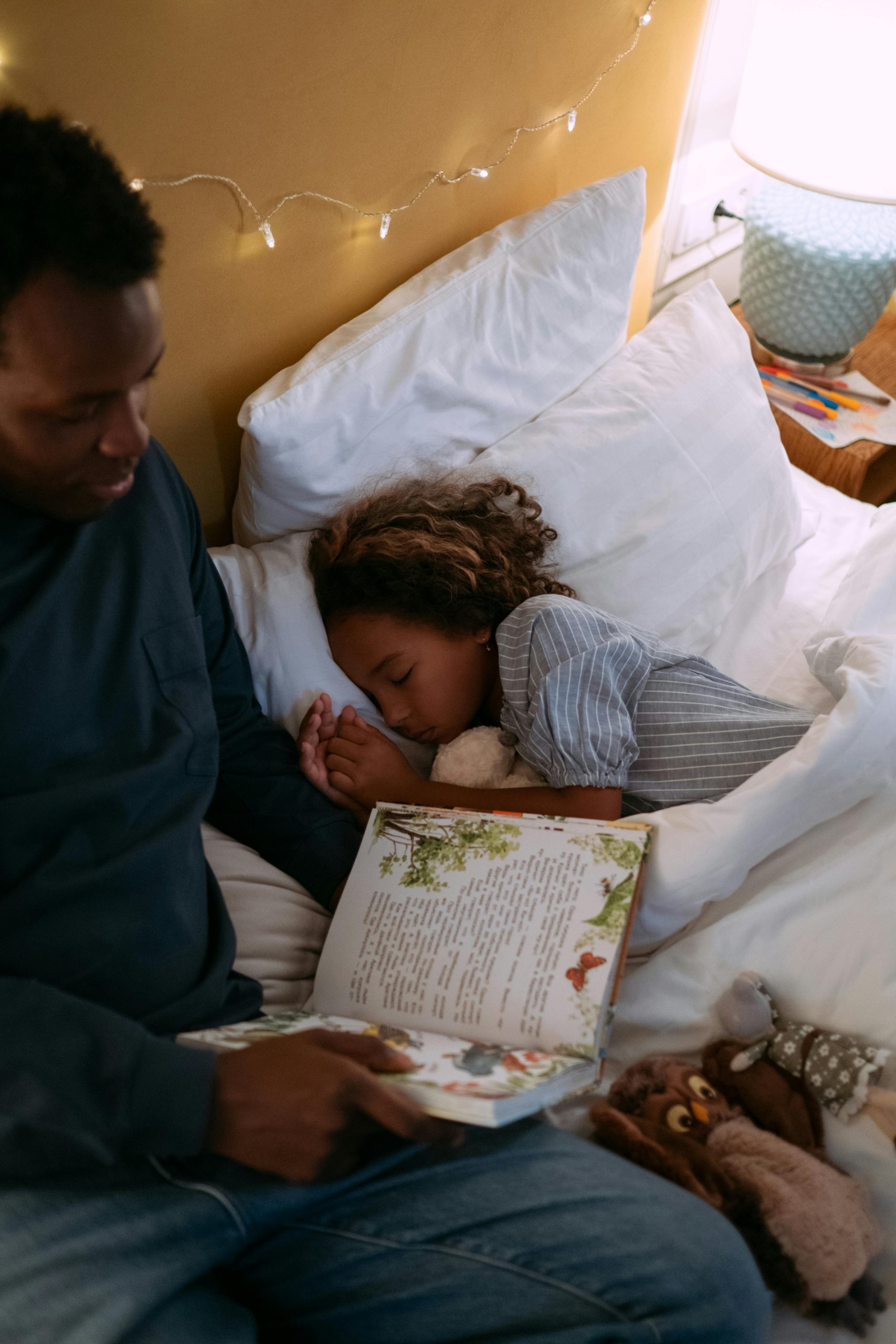
Does your child struggle to fall asleep without you, needing you to lie beside them, hold their hand or stay until they drift off?
Perhaps you have tried leaving the room, only to be called back again. This is an experience many parents face, often finding themselves wondering, ‘Why won’t my child sleep alone?’ or ‘How can I help my child sleep independently?’
In this article, I will explore why your child depends on you to fall asleep and, more importantly, how you can help your child sleep independently in a calm, supportive and sustainable way.
As a child therapist at Zoe Clews & Associates, I work with families every day to support children with sleep difficulties, anxiety, and bedtime struggles. And what I want you to know is this:
This is very common and something we can change gently and effectively.
Understanding why children may find it hard to sleep alone
When a child struggles to sleep alone, it often reflects how safe they feel at bedtime, with sleep anxiety being a common underlying factor.
Sleep can feel unsettling for children
At bedtime, the world becomes quieter. Fewer distractions mean your child is left alone with their thoughts. This is when:
- Worries can surface
- Imagination becomes more active
- Separation feels more intense
Needing you at bedtime is not a sign of defiance; it is your child’s way of seeking security in order to feel safe and fall asleep peacefully.
The role of sleep associations in your child’s bedtime routine
One of the most common tendencies I notice as a child therapist is sleep association. This means your child has learned:
‘I feel safe and can fall asleep when my parent is here.’
This usually develops naturally. Perhaps you stayed a little longer one night, your child fell asleep and their mind now associates a parents’ presence with feeling calm and safe.
From this perspective:
- Your child needs you to fall asleep
- They seek you when they wake up during the night
- They struggle to fall asleep without your presence
This is why many parents feel caught in a cycle where their child can’t sleep alone, as separation anxiety continues to draw them back for comfort and reassurance.
From that point on:
Why children may wake or seek you during the night
You may notice that your child:
- Settles initially but wakes up later in the night
- Calls for you repeatedly
- Becomes unsettled when you leave
This happens because sleep naturally involves brief awakenings. If your child fell asleep with you present, they come to expect the same conditions when they wake. When you aren’t there, their nervous system becomes alert, making it more difficult for them to settle back to sleep on their own, a pattern I regularly support families with as a child therapist.
How to encourage independent sleep without tears
If you are trying to help your child sleep on their own, it is important to make changes gradually rather than suddenly.
Establish a peaceful, predictable bedtime routine
Children feel safe when they know what to expect. A consistent bedtime routine can reduce anxiety and make it easier for your child to sleep independently.
A peaceful routine might include:
- Bath time
- Reading a story
- Quiet connection or cuddle time
- Dimmed lights and a calm voice
Consistency helps your child feel safe and supported, creating the sense of safety they need to settle and sleep on their own.
Encouraging your child’s internal sense of safety
If your child struggles to sleep alone, the goal is to gently transfer their sense of safety from you to something they can rely on independently.
This could include:
- A favourite soft toy or comforting object
- A calming phrase or mantra repeated each night
- A mental ‘safe place’ they imagine
Over time, these tools become their internal source of comfort, helping them feel safe and secure at bedtime.
Supporting independent sleep
If your child currently relies on you to fall asleep, avoid withdrawing suddenly. Instead try a more gradual step by step approach.
- Sit beside the bed rather than lying in it
- Leave the room before your child is fully asleep
This step by step approach helps your child adjust comfortably without feeling overwhelmed.
Channel imagination for better sleep
A vivid imagination can make sleep challenging for some children, yet it can also become a tool for comfort and security. Rather than trying to suppress it, you can gently guide it in a calming direction.
Encourage your child to visualise:
- A safe, peaceful place
- A protective bubble surrounding them
- Floating gently on a cloud
This gives their mind something soothing to focus on instead of worrying.
Stay consistent
Consistency is one of the biggest challenges parents face. It is natural to think:
‘This isn’t working’
Remember, progress is often gradual. If your child struggles to sleep alone, a sustainable shift happens one step at a time.
Recognising the role of anxiety in children’s bedtime routines
Sometimes, a child who won’t sleep without a parent, may be experiencing anxiety, which can take several forms:
- Separation anxiety
- Overthinking
- Fear of the dark
- Low confidence
You might notice that your child:
- Becomes very distressed at bedtime
- Struggles to settle
- Wakes up frequently
In these situations, gentle therapeutic support can help your child feel calmer and more in control. As a therapist supporting children, I help children:
- Understand and manage their thoughts
- Feel safe in their own space
- Learn to fall asleep independently
Frequently asked questions about helping your child sleep independently
Is it normal for a child not to sleep alone?
Yes. Many children struggle to sleep independently, especially during certain developmental stages or periods of change. It does not mean you have done anything wrong, this is a normal part of childhood.
Why does my child need me to fall asleep?
Your child has likely developed a sleep association, where your presence is associated with feelings of safety and peace. This is very common and can be gently changed over time.
How do I help my child sleep alone without upsetting them?
The most effective approach is gradual. If you gradually implement these strategies, this will increase your child’s sense of safety and comfort. Avoid sudden changes, as these can increase anxiety and make bedtime more stressful.
Why won’t my toddler sleep without me?
Toddlers often feel safest with a parent nearby. At this age, children are still developing emotional security and need extra reassurance at night. Providing gentle guidance and consistent routines helps them build independence over time.
Will my child grow out of needing me at bedtime naturally?
Some children naturally outgrow needing a parent at bedtime, but many continue unless gently guided. With the right support and consistent strategies, your child can learn to sleep independently, calmly, confidently and securely.
A final reassuring thought
If your child won’t sleep without you, it doesn’t mean they always will. Right now, you are their sense of safety.
With gentle, consistent support, that sense of security will gradually shift, from needing you physically present to feeling calm and secure by themselves.
If your child is struggling to sleep alone or needs you in order to fall asleep, you are very welcome to explore how we support families at Zoe Clews & Associates here. Alternatively, you can arrange a confidential consultation with me here to discuss your child’s sleep and find an approach that works best for you and your family.
With the right guidance, bedtime can become peaceful and something both you and your child feel secure and reassured about.
