
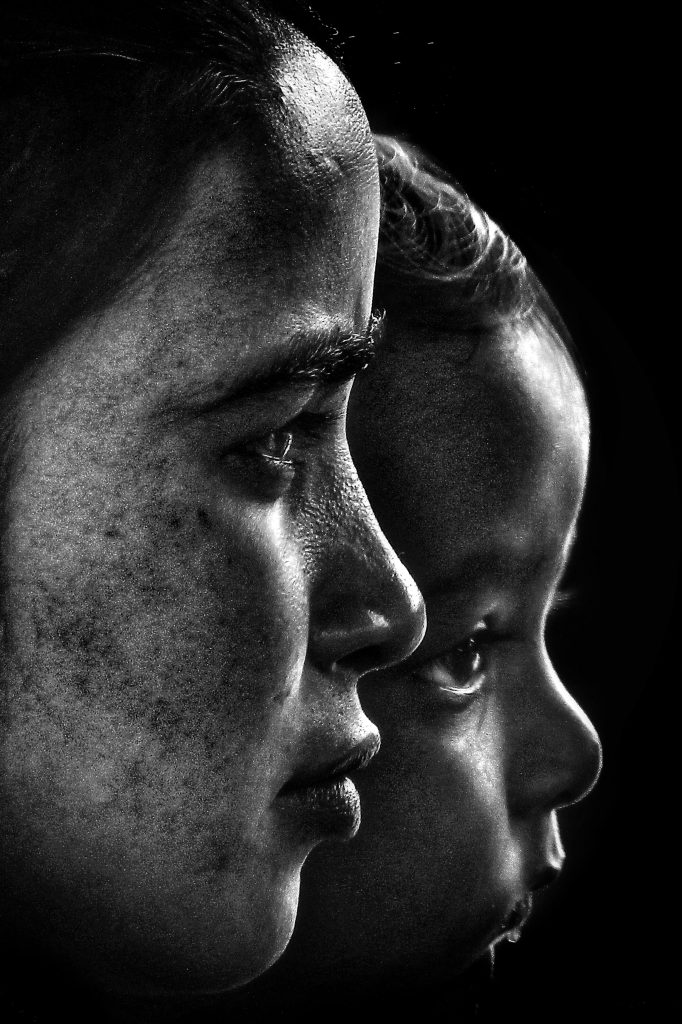
For many individuals, unresolved childhood experiences which includes trauma, can subtly influence emotional responses, relationship styles, self esteem and mind – body reactions long after the events have occurred, often outside of conscious awareness. Early experiences play a symbolic role in shaping how safe we feel, how we connect with others and how we see ourselves.
As a specialist in CPTSD & PTSD, I have worked with countless clients who initially believed they were simply ‘anxious’, ‘too sensitive’ or ‘bad when it came to relationships’, only to later discover that many of these struggles were associated with early emotional experiences and the ways they learned to adapt.
Understanding how childhood trauma can affect adult anxiety, relationships and self worth can be an incredible first step towards healing.
What is childhood trauma ?
Childhood trauma refers to distressing or overwhelming adverse experiences during formative years that exceed a child’s ability to cope emotionally, potentially disrupting healthy development and contributing to long- term physical, behavioural or psychological struggles. Trauma is not limited to extreme or isolated events; it can also arise from chronic emotional experiences that shape a child’s sense of safety, self worth and security.
Common causes of childhood trauma:
- Physical, emotional or sexual abuse
- Growing up with critical, inconsistent or emotionally unavailable parents
- Loss, grief or abandonment
- Parentification
- Exposure to addiction, psychological challenges or domestic conflict
One of the most misunderstood aspects of trauma is that it is not solely defined by what happened, but by how the nervous system experienced and stored those events in the body.
How childhood trauma shapes the brain and nervous system
When a child grows up in an environment marked by adverse experiences that leave them feeling unsafe, criticised, ignored or fearful, their brain often adapts for survival rather than healthy development.
How the brain may show it is in survival mode:
In many adults who have experienced trauma growing up, the mind and body become wired for protection.
This can manifest as :
- Hypervigilance (constantly scanning for danger)
- Overthinking or catastrophising
- Emotional dysregulation
- Perfectionism
As a CPTSD & PTSD specialist, I often see clients who believe they are ‘just anxious,’ when in reality their anxiety can be understood as a learned survival response shaped by past experiences. Their nervous system may have adapted early on to anticipate threats as a way of staying safe, even if the threat is no longer present.
The association between childhood trauma and adult anxiety
Adult anxiety is often not arbitrary. For many, it is the body’s learnt response to early unpredictability.
If you grew up in an environment that felt unstable or emotionally unsafe, your mind and body may have learned to become hyper alert to danger.
Generalised anxiety
This can show up as:
- Chronic worry
- Racing thoughts
- Catastrophising
Social anxiety
Children who felt criticised, shamed or emotionally dismissed may become adults who feel judgment intensely:
You may:
- Worry how others perceive you
- Fear embarrassment
- Avoid social situations
Performance anxiety:
Many adults who associate achievement with worthiness may have grown up in environments where love, approval and safety felt conditional.
How childhood trauma impacts adult relationships
One of the most profound ways childhood trauma can manifest is through relationships
As children, we develop our sense of attachment, safety and connection through caregivers and the environment. When these experiences are inconsistent, painful or emotionally confusing, adult relationships may become contexts in which earlier relational dynamics are reactivated.
Common relationship dynamics include:
Fear of abandonment :
Common signs include: feeling overly attached, anxious or fearful that others will leave.
Emotional avoidance :
Common signs include: the inability to trust, open up or depend on others.
People pleasing:
Common signs include: prioritising other people’s needs to maintain connection and avoid rejection.
Emotionally unhelpful relationship cycles
Unresolved trauma may sometimes normalise emotional inconsistency, making unhealthy dynamics feel familiar.
A familiar response I see as a trauma specialist in clients, is intellectually knowing a relationship is safe, while emotionally feeling vulnerable. This disconnect often reflects unresolved trauma rather than present day reality.
The impact of self worth and identity
One of the most deep rooted effects of childhood trauma is the way it can shape self perception.
Individuals naturally internalise their environment. When a child experiences trauma they often do not think:
‘Something is wrong with my environment’.
Instead, they think:
‘Something is wrong with me.’
This can manifest as:
- Low self esteem
- Shame
- Perfectionism
- Self criticism
- Difficulty establishing boundaries
In adulthood this can project as:
- Self doubt
- Feeling unlovable
- Feeling worthless
- Feeling as if you have to earn love
These beliefs are often subconscious survival narratives formed early on in life, not objective truths.
How to heal childhood trauma
Healing means understanding how past experiences shaped your mind and body. Safely learning how to reshape these beliefs and emotional responses.
Effective trauma healing may include:
- Trauma informed hypnotherapy
- CPTSD focused therapeutic support
- Inner child work
- Cognitive reframing
- Somatic approaches
As a hypnotherapist, hypnotherapy can be particularly effective for identifying subconscious beliefs rooted in childhood, such as:
- I’m unsafe
- I am unworthy
- I feel abandoned
By working with these subconscious beliefs, healing becomes more than symptom management, it becomes transformation.
Your past may explain your responses, but it doesn’t have to define you
If your childhood experiences have affected the way you feel, manifesting as anxiety, challenges within relationships or self worth, it is important to understand that these responses may be there for a reason.
You adapted.
These were intelligent survival strategies at the time, but now it is time to alter how your mind and body react.
With the right support, it is possible to heal childhood trauma, rebuild self worth, develop healthier attachment styles and move beyond anxiety driven habits.
Your past may explain your present, but it does not have to determine your future.
If this resonates with you, and you would like support with anxiety, trauma, CPTSD or self worth, Zoe Clews & Associates specialises in helping clients uncover and heal the deeper roots of emotional distress.
To learn more, click here.